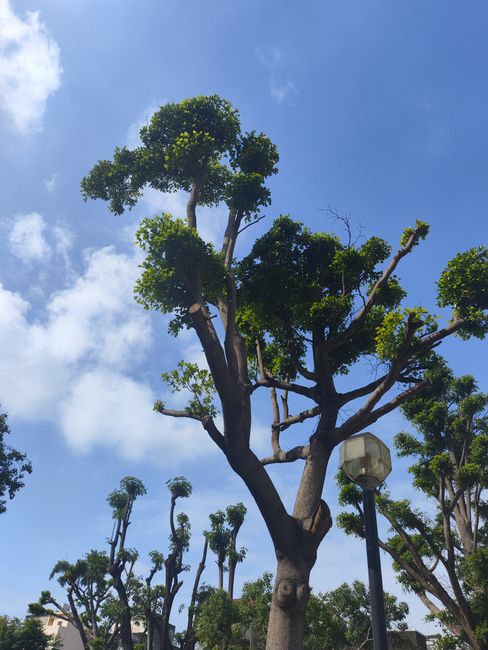
Wandsworth Council permits for Putney tree work for gardeners: what you need to know before you cut, prune, or remove
If you garden in Putney, tree work can look simple from the pavement and turn complicated the moment permissions, preservation rules, or safety duties enter the picture. That is exactly why Wandsworth Council permits for Putney tree work for gardeners matter. One job might be a quick crown lift on a tired front-garden tree; another might involve a protected tree, a neighbour's boundary, or a site where access is tight and everyone has an opinion. Let's face it, trees have a way of becoming political.
This guide explains the practical side of permissions, when gardeners need to pause, what kind of approval may be involved, and how to plan tree work without creating avoidable problems. You will also find a clear step-by-step process, a comparison of common options, and a straightforward checklist you can actually use on site.
If your work sits alongside wider garden care, it can also help to understand how it fits with routine garden maintenance, hedge trimming, and larger clearance jobs such as garden clearance. That wider view matters more than people think.
Table of Contents
- Why Wandsworth Council permits for Putney tree work for gardeners Matters
- How Wandsworth Council permits for Putney tree work for gardeners Works
- Key Benefits and Practical Advantages
- Who This Is For and When It Makes Sense
- Step-by-Step Guidance
- Expert Tips for Better Results
- Common Mistakes to Avoid
- Tools, Resources and Recommendations
- Law, Compliance, Standards, or Best Practice
- Options, Methods, or Comparison Table
- Case Study or Real-World Example
- Practical Checklist
- Conclusion
- Frequently Asked Questions
Why Wandsworth Council permits for Putney tree work for gardeners Matters
Tree work in Putney is not just a matter of skill with a saw and a tidy finish. In many streets, you need to think about whether the tree is protected, whether the property is within a conservation area, whether the tree is close to a boundary, and whether the proposed work is even the right solution. A neat pruning job can become a headache if it is carried out without checking the right permissions first.
For gardeners, the risk is twofold. First, you may create unnecessary liability for the client if the work is done without the right consent or notice. Second, you may end up doing more work than necessary because the real issue was poor planning, not the tree itself. In a place like Putney, where mature trees can sit in small front gardens, rear courtyards, or narrow access routes, the margin for error is not generous.
There is also a trust factor. Clients want someone who knows when to prune, when to stop, and when to ask more questions. That kind of judgement builds confidence quickly. It is the difference between "we'll sort it" and "we've thought this through".
One more practical point: tree work often intersects with other garden tasks. If branches are shedding, the site may also need lawn mowing, debris removal, or follow-up garden maintenance. The permit issue is only one part of the job, but it is the part that can stop everything else in its tracks.
Expert summary: If a tree could be protected, or if the site conditions feel even slightly uncertain, check before you cut. That simple pause can save time, money, and a fair bit of awkward conversation later.
How Wandsworth Council permits for Putney tree work for gardeners Works
The exact process depends on the tree, the location, and the type of work proposed. In practice, gardeners usually need to work through a few basic questions before making any cut.
1. Identify the tree and the work proposed
Start with the basics. Is the job a light prune, crown reduction, deadwood removal, root-related work, or removal? Is the tree in a garden, on a boundary, or affecting a public-facing area? The more specific you are, the easier it becomes to decide what permission, if any, may be needed.
2. Check whether protection may apply
Some trees are subject to formal controls, such as tree preservation measures or conservation area restrictions. You do not need to be a legal specialist to spot the warning signs. Large mature trees, prominent street trees, and trees in older parts of Putney often deserve a closer look. If the client says, "It's always been there," that is usually not a reason to assume it is unrestricted.
3. Consider whether notice or consent is required
Depending on the situation, work may require prior notice, written consent, or no formal approval at all. The important thing is not to guess. Gardeners can lose time by over-complicating a simple task, but they can also get into trouble by treating all trees as if they were ordinary shrubs. They are not. Not even close.
4. Plan around access, safety, and waste
Permits are only part of the story. Tree work may require careful access arrangements, rope work, traffic awareness, or additional disposal planning. If you are already stripping out overgrown material, it can make sense to combine the job with tree lopping and removal support or a broader services overview discussion so the client understands the full scope.
5. Keep records
Even for small jobs, keep notes on what was assessed, what was agreed, and why the chosen approach was used. If a neighbour later asks questions, or the client forgets what was discussed, you will be glad you wrote it down. A phone photo and a dated note can save the day.
Key Benefits and Practical Advantages
Working through permits and permissions properly is not just about avoiding penalties. There are everyday advantages that make the job smoother for everyone.
- Fewer disputes: Neighbours are less likely to complain when work has been checked and explained sensibly.
- Better tree outcomes: The right level of pruning often protects the tree's shape, health, and future growth.
- Cleaner project planning: You can schedule labour, waste collection, and access with fewer surprises.
- More professional service: Clients notice when a gardener is careful with rules as well as with tools.
- Reduced liability: Thoughtful checking lowers the risk of accidental non-compliance.
There is also a quieter benefit: less stress. When the permissions side is handled early, the actual work day tends to feel calmer. You arrive, assess, work, tidy, and leave. No last-minute scrambling, no "hang on, are we allowed to do this?", and no awkward pause on the driveway.
For larger gardens or properties with multiple tasks, permit-aware planning often works best alongside broader landscaping and planting decisions. If the tree canopy is being reshaped, the surrounding space may benefit from landscape gardening or landscaping input so the garden still feels balanced afterwards.
Who This Is For and When It Makes Sense
This topic matters for a few different people, and each group tends to approach it from a slightly different angle.
Gardeners working for private clients
If you are a gardener carrying out maintenance or one-off work, you need to know when tree work is routine and when it needs more care. A client may ask for a quick reduction because the tree looks "too big," but the right answer may depend on permissions, tree condition, and long-term structure.
Property managers and landlords
For rental properties, especially in Putney where gardens can be visible from the street, tree work often has a practical side and a legal side. You want the outdoor space to look tidy, but you also want to avoid a poor decision that creates neighbour friction or future repair costs.
Homeowners with mature trees
If a tree is dropping leaves, blocking light, hanging over a roof, or growing into a narrow garden, the urge to cut quickly is understandable. Still, if the tree is likely to be protected, you will need to slow down. The tree may be a nuisance, yes, but it may also be valuable in planning terms or environmentally significant.
Gardeners handling mixed work
If you are doing seasonal tidy-ups, you may need to combine tree-related tasks with hedge work, debris removal, and ongoing upkeep. In that situation, the permit question becomes part of a broader operational decision, not a separate headache.
In short: if your work touches a tree that looks mature, prominent, or potentially regulated, this guide is for you. If the tree sits in a plain, fully private garden and the work is minor, you still benefit from checking. Better safe than apologising after the ladder is already away.
Step-by-Step Guidance
Here is a practical process gardeners can use before any tree work in Putney. It is simple on purpose.
- Walk the site slowly. Look at the whole picture, not just the branch you want to cut. Check boundaries, overhead lines, nearby structures, and access points.
- Identify the exact task. Is it formative pruning, thinning, deadwood removal, or removal? These are not interchangeable, and that matters.
- Ask the client what they already know. Sometimes they have old paperwork, previous contractor notes, or a letter that changes the picture entirely.
- Check whether the tree may be protected. If there is any realistic chance that a preservation control or conservation rule applies, do not proceed casually.
- Decide whether the work should pause. If the status is unclear, stop and confirm first. A day's delay is usually better than a costly mistake.
- Explain the likely options. Give the client clear choices in plain English. People are far more relaxed when they understand the trade-offs.
- Document the plan. Keep a simple note of what was assessed, what was agreed, and what was done.
- Carry out the work carefully. Use the right tools, make controlled cuts, and leave the garden tidy. The tidier the site, the more professional the job feels.
If the job also involves overgrowth, waste, or a broader refresh, it may be worth combining the tree work with garden clearance or ongoing hedge trimming. It often makes logistical sense, and clients appreciate one coordinated plan rather than three separate visits.
Expert Tips for Better Results
Small habits make a big difference in tree work, especially in an area as mixed and lived-in as Putney. You do not need to be flashy. You need to be careful, observant, and just a bit boring in the right places.
- Check before quoting. If a tree looks likely to need formal checks, factor that into the quote or explain that the price may change once the status is confirmed.
- Prune for the tree, not for convenience. A clean, logical reduction is better than a heavy-handed cut that saves five minutes on site and causes three seasons of regret.
- Look at the tree's future shape. What will it look like in six months? In two years? Good gardeners think ahead, even if the client only sees the current tangle.
- Communicate in plain English. Most clients do not need Latin names or technical theatre. They need to know what will happen, when, and why.
- Protect the surrounding garden. Chips, sawdust, and branches can damage lawns and borders if you are not careful. Sheet the ground if needed.
- Know when to bring in specialist tree help. Some jobs are really arboricultural, not just routine gardening. Calling that out early is a sign of competence, not weakness.
A little rule of thumb: if you find yourself saying "I'm pretty sure it'll be fine," stop and verify. Pretty sure is not a strategy. It just isn't.
Common Mistakes to Avoid
Most problems with tree permissions come from assumptions. That sounds obvious, but it is still where people slip.
- Assuming all garden trees are unrestricted. Mature trees, visible trees, and boundary trees often need extra checking.
- Confusing pruning with removal. A homeowner may call it "just a trim" while the work proposed is much more significant.
- Skipping checks because the job feels small. Small jobs can still involve protected trees.
- Not confirming who owns the tree. Boundary disputes are a classic source of confusion.
- Failing to document what was agreed. Verbal instructions fade quickly, especially once weather, mud, and ladders enter the chat.
- Leaving waste or damage behind. A neat cut paired with a messy site still feels unprofessional.
- Underestimating time for permissions. If approval or notice is required, build that into the schedule from day one.
Another common mistake is ignoring the wider garden context. If a tree is shaping a shady corner, the client may also need help with border design, drainage, or patio layout. That is where a broader landscape gardening discussion can avoid a narrow, short-term fix.
Tools, Resources and Recommendations
You do not need a huge kit to manage permissions well, but you do need a few reliable habits and tools.
- Site photos: Take clear pictures of the tree, nearby structures, and any obvious constraints.
- Basic measuring tape or range estimate: Useful for height, spread, and distance to buildings or boundaries.
- Simple site notes: Record who asked for the work, what they wanted, and any concerns raised.
- Protective ground coverings: Helpful on lawns, paths, and planted areas when the job will be messy.
- Waste bags or loading plan: Especially useful if the tree work forms part of a larger tidy-up.
From a service-planning point of view, these pages can also help when you are organising a bigger job: tree lopping and removal for the tree itself, pricing and quotes for budgeting, and insurance and safety when you want reassurance about risk management.
For clients who like to understand the business side as well, it is sensible to review about us and the wider services overview before booking. It helps set expectations. No surprises, no mystery.
Law, Compliance, Standards, or Best Practice
Tree work can sit inside local planning controls, property responsibilities, and general safety duties. The precise rules vary by tree status and site context, so careful checking matters more than confident guessing. In plain terms, gardeners should treat any potentially protected tree as a pause point until the right checks have been made.
Good practice usually means:
- assessing the tree before work starts
- confirming whether any restrictions may apply
- using proportionate pruning rather than excessive cutting
- keeping the client informed before and during the job
- working safely with suitable equipment and site controls
- leaving the area tidy and free from preventable hazards
It also means recognising when the work is beyond routine gardening. If the job is high, awkward, or structurally sensitive, then specialist tree knowledge becomes valuable very quickly. That is not over-caution. That is common sense dressed up in work boots.
Where safety and liability are involved, check your own procedures and policies carefully. If you are operating as a contractor, your approach should be consistent with any relevant insurance conditions and with sensible site practice. If in doubt, slow down and reassess.
Options, Methods, or Comparison Table
Not every tree job needs the same level of intervention. Here is a useful way to think about the main options.
| Approach | Best for | Typical advantage | Main caution |
|---|---|---|---|
| Light pruning | Minor shaping, small dead twigs, tidy maintenance | Low impact and often easier to justify | May not solve deeper structural or access issues |
| Crown reduction | Overgrown trees, light control, better proportions | Can reduce spread without removing the whole tree | Needs careful judgement to avoid bad cuts |
| Deadwood removal | Safety and tidy-up work | Often practical and visually clean | Still needs checking if the tree is protected |
| Tree removal | Unsafe, failing, or poorly sited trees | Resolves persistent conflict or risk | Most likely to require formal checks or notice |
For many Putney gardens, the right answer is not the most dramatic one. A measured prune paired with regular aftercare often works better than a once-and-done heavy cut. That is especially true where a garden is trying to stay green, private, and reasonably low-maintenance at the same time.
Case Study or Real-World Example
Imagine a Putney front garden with a mature tree casting heavy shade onto the lawn and blocking light from the sitting room. The client wants "a good chop back." On first glance, that sounds straightforward. But the tree sits close to the pavement, is visible from the street, and has the kind of size that makes a gardener pause for a second. Wise instinct.
The practical approach is to assess the tree's setting, check whether any control might apply, and explain the likely options to the homeowner before work begins. Instead of pushing straight into a reduction, the gardener confirms the intended scope, discusses the shape of the canopy, and plans a tidy, proportionate cut. The garden is then left clear, with branches removed and the lawn protected as much as possible.
The result is not just a neater tree. It is a calmer process. The client understands what happened and why. The gardener avoids avoidable risk. And the tree still looks like a tree afterwards, which sounds obvious, but you would be surprised how often that part gets forgotten.
In another version of the same scenario, the tree may turn out to be subject to restrictions. In that case, the job pauses, the client is advised on next steps, and the work is scheduled properly rather than rushed. Slight delay, better outcome. Every time.
Practical Checklist
Use this before any tree-related job in Putney. It is simple, but it works.
- Confirm the tree location and ownership.
- Identify the exact work requested.
- Check whether the tree might be protected or restricted.
- Review access, safety, and nearby surfaces.
- Clarify the client's objective in plain language.
- Record photos and notes before starting.
- Build in time for any notices, consents, or follow-up checks.
- Decide whether the job is routine gardening or specialist tree work.
- Protect borders, lawns, and hard surfaces.
- Remove debris and leave the site tidy.
Quick rule: if any one of those points is uncertain, pause the work. A short pause now is better than a long apology later.
Conclusion
Wandsworth Council permits for Putney tree work for gardeners are really about good judgement, careful checking, and respectful planning. The best gardeners do not just cut well; they think well. They know when a tree is simply part of the weekly routine and when it deserves a slower, more cautious approach.
For Putney clients, that attention to detail is reassuring. For gardeners, it protects your reputation and helps the job run smoothly. And for the tree itself, it usually leads to a better outcome too. That is the sweet spot.
If you are planning tree work, fold the permission check into the wider garden plan early, keep your notes clear, and do not rush the decision-making. The garden will still be there tomorrow. Better to do it properly than twice.
Get a free quote today and see how much you can save.
And if you want the next job to feel less like a headache and more like a well-run piece of work, that is a very good place to start.
Frequently Asked Questions
Do gardeners need permission for tree work in Putney?
Sometimes, yes. It depends on the tree's status, location, and the type of work proposed. A light prune on an unrestricted tree may be straightforward, but a mature or potentially protected tree needs more careful checking.
What counts as tree work rather than general garden maintenance?
Tree work usually involves pruning, crown reduction, deadwood removal, shaping, or removal of woody trees and larger limbs. General garden maintenance is broader and may include hedge trimming, mowing, weeding, and tidying.
How do I know if a tree may be protected?
Look for clues such as age, size, visibility from the street, and location in older or sensitive parts of Putney. If there is any doubt, treat it as a check-point rather than assuming it is unrestricted.
Can I just prune a tree slightly and avoid permits?
Not always. Even minor work can matter if the tree is protected or subject to local restrictions. The size of the cut does not automatically remove the need to check.
What happens if tree work is done without the right approval?
That can lead to disputes, delays, or other consequences depending on the situation. It can also create problems for the homeowner and the contractor. Best practice is to verify first and cut second.
Is tree removal treated differently from pruning?
Yes, usually. Removal is a more significant intervention and is more likely to need formal checks or extra justification. Pruning may be simpler, but it still should not be assumed to be risk-free.
Should gardeners keep records of tree work?
Absolutely. A short note, a few photos, and a record of what was agreed can be very helpful if questions come up later. It is one of those small habits that saves time.
What if the client wants the tree cut harder than I think is sensible?
Explain the risks calmly and offer safer options. A good gardener is not just a doer; they are also a guide. If needed, pause and recommend a more suitable approach.
Does tree work usually affect the rest of the garden plan?
Yes, often more than people expect. Light and shade change, debris can spread, and the shape of the garden may need adjusting afterwards. That is why broader planning with landscaping or garden maintenance can be useful.
Can tree work and hedge trimming be done on the same visit?
Often, yes. If the site is suitable and the scope is clear, combining tree work with hedge trimming or related maintenance can save time and make the garden look more coherent.
How far in advance should I plan for permissions or checks?
As early as possible. Some jobs can move quickly, but others need a pause while status or consent is confirmed. Building that time in from the start avoids frustration later.
Where can I get help with a bigger tree or garden project?
Start with the service pages most relevant to the job, then ask for advice on scope and timing. For broader support, pages like tree lopping and removal, pricing and quotes, and contact us can help you take the next sensible step.