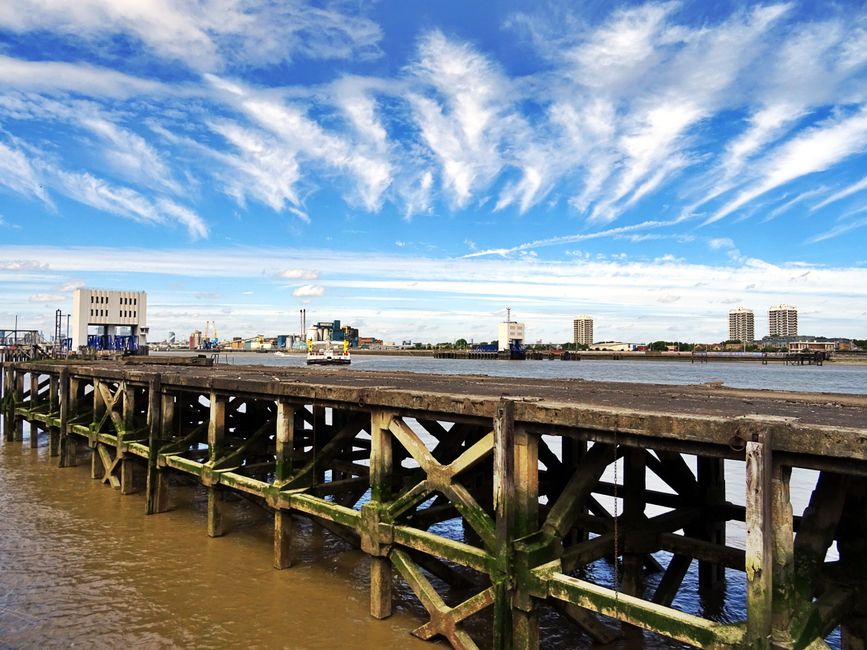
Commercial gardeners for Putney Pier shops and offices
Putney Pier has a very particular rhythm. Early commuters, riverside shoppers, office staff grabbing coffee, the odd delivery trolley rolling past, and wind coming off the Thames that can make a perfectly neat planter look a bit tired by lunchtime. That is exactly why commercial gardeners for Putney Pier shops and offices are such a practical investment. They keep entrances, terraces, forecourts, and planting beds looking sharp, safe, and genuinely welcoming.
If you manage a shopfront, office building, cafe terrace, or mixed-use property near the pier, outdoor space is doing more than "looking nice". It is part of your brand, your first impression, and in many cases your day-to-day operational environment. This guide breaks down what commercial gardening actually involves, how it works in a riverside London setting, what to expect from a professional contractor, and how to get better long-term results without overcomplicating it.
For a broader view of related services, you can also explore the full services overview and learn more about the team on the about us page. If you are already comparing options, the pricing and quotes page is a sensible next stop.
Table of Contents
- Why Commercial gardeners for Putney Pier shops and offices Matters
- How Commercial gardeners for Putney Pier shops and offices Works
- Key Benefits and Practical Advantages
- Who This Is For and When It Makes Sense
- Step-by-Step Guidance
- Expert Tips for Better Results
- Common Mistakes to Avoid
- Tools, Resources and Recommendations
- Law, Compliance, Standards, or Best Practice
- Options, Methods, or Comparison Table
- Case Study or Real-World Example
- Practical Checklist
- Conclusion
- Frequently Asked Questions
Why Commercial gardeners for Putney Pier shops and offices Matters
Outdoor areas around Putney Pier are exposed to more than casual foot traffic. They take a daily beating from weather, pollution, salt-laced river air, compacted soil, winter damp, and the simple reality of people brushing past in a hurry. A planter that looked bright on Monday can feel flat by Thursday if it is not maintained properly. That is where commercial gardening earns its keep.
For shops, the frontage is the shop window before the shop window. For offices, the landscape tells people what kind of place they are walking into. A well-kept entrance says the business pays attention. A neglected one says the opposite, even if the inside is spotless. Harsh? Maybe. True? Absolutely.
At riverside locations, planting also has practical value. Structured greenery can help soften hard architecture, guide movement, reduce the sense of a cramped forecourt, and make a small space feel calmer. In a place like Putney Pier, where people often arrive already slightly time-pressed, that calm is worth something.
Commercial gardeners also understand that business sites are not domestic gardens with bigger lawns. Access windows are tighter. Noise matters. Waste must be handled properly. Customers cannot always be routed around a gardener's equipment. And someone, usually the manager with the busiest diary, needs the work done with as little disruption as possible. That is the real world, not the brochure version.
Expert summary: commercial gardening for shops and offices is not just maintenance; it is presentation, risk reduction, and brand care rolled into one tidy service.
How Commercial gardeners for Putney Pier shops and offices Works
The process usually starts with a site visit or at least a detailed conversation. A good contractor wants to understand what the space is for, how it is used, and what problems are recurring. A coffee shop terrace has different needs from an accounting office forecourt. A retail entrance may need frequent deadheading and litter checks, while an office courtyard may benefit more from evergreen structure and seasonal refreshes.
In practice, the work often follows a repeatable cycle:
- Assess the site - light levels, wind exposure, foot traffic, irrigation, drainage, and accessibility are all checked.
- Set priorities - for example, keep front-of-house immaculate, tidy hidden service areas, or improve planting resilience.
- Build a maintenance schedule - weekly, fortnightly, monthly, or seasonal visits depending on the site's pace and planting style.
- Carry out the works - pruning, border care, planting, litter removal, watering, feeding, and general presentation.
- Review and adjust - because what works in April may not hold up in August, and riverside conditions can be a bit sneaky like that.
On many commercial sites, the gardener may also coordinate with facilities teams, cleaners, security staff, or building managers. That coordination matters. Nobody wants pruning waste moved through a lobby during a client meeting. It sounds obvious, but it happens more often than you might think.
Some businesses need regular maintenance only. Others need a more hands-on service that includes planting design, container rotation, hedge trimming, soil improvement, and seasonal colour updates. The best approach is the one that matches traffic, visibility, and budget without creating unnecessary work for the site team.
If you are weighing up service levels, the company's health and safety policy and insurance and safety information are worth reviewing early. On business premises, reliability and risk control are not extras. They are part of the service.
Key Benefits and Practical Advantages
Good commercial gardening delivers benefits that are easy to see and a few that are easy to miss until they slip. Here is the practical version.
- Better first impressions - customers and tenants notice tidy, healthy planting before they notice technical details.
- Reduced maintenance stress - a planned service prevents the usual cycle of panic tidy-ups before important visitors arrive.
- Safer, clearer access - paths, entrances, and visibility lines stay more manageable when vegetation is kept in check.
- More resilient planting - proper care helps plants survive wind, shade, pollution, and inconsistent watering.
- Less disruption - regular visits are usually calmer and more efficient than large reactive works.
- Stronger brand presentation - outdoor space can quietly reinforce quality, care, and professionalism.
There is also a financial logic to preventative care. Neglected planters, overgrown hedges, or poorly chosen species often cost more to fix later. In some cases you end up replacing plants, containers, or even sections of hard landscaping that could have been protected with routine attention. Not glamorous, but very real.
For properties that care about sustainability, maintenance can be shaped around waste reduction, composting, responsible green waste handling, and plant choices that make sense for the site rather than fighting against it. The recycling and sustainability information can help frame those conversations in a practical way.
Who This Is For and When It Makes Sense
This service is a strong fit for businesses and property teams that rely on outdoor presentation, smooth access, or a tidy shared environment. It is not just for large corporate campuses, either. In a compact area like Putney Pier, smaller sites often need help most because every square metre is visible.
You may need commercial gardeners if you manage:
- shops or retail units with front planters or window-facing greenery
- offices with entrance beds, courtyards, roof terraces, or shared outdoor seating
- hospitality spaces, cafes, or riverside dining areas
- mixed-use buildings where tenants expect a professional standard
- managed developments where the outside areas influence lettings and occupancy
- business premises that need low-disruption maintenance outside trading hours
It makes particular sense when one or more of these are true:
- the site looks fine after a tidy-up but drifts quickly between visits
- staff are doing gardening on top of their actual jobs, which is rarely ideal
- there is a repeated issue with overgrown edges, weeds, or tired containers
- you want seasonal planting without becoming responsible for it yourself
- customer-facing areas need to stay consistently presentable, not just "once in a while" presentable
Truth be told, a lot of businesses delay proper maintenance until the site starts to look patchy. That usually means the problem has already become more expensive. If that sounds familiar, you are not alone.
Step-by-Step Guidance
Here is a straightforward way to approach commercial garden maintenance without overthinking it.
1. Walk the site as a customer would
Start at the pavement, the entrance, or the pier approach. What do people see first? What do they smell? Are there dead leaves at the doorway, weeds in the paving, sagging planters, or a hedge that blocks sightlines? That first walk often reveals more than a quick desk review ever will.
2. Separate essential work from nice-to-have work
Essential work is the stuff that affects presentation, safety, and plant health. Nice-to-have work is the extra layer, like seasonal colour changes or more decorative planting. Both have value, but mixing them up can make quotations feel confusing. Be clear about what matters most.
3. Decide on frequency
Busy front-of-house areas may need more regular visits than quieter back-of-house zones. A once-a-month service can be enough for some office courtyards. A shop entrance near public footfall might need more frequent checks, especially during growth seasons.
4. Agree responsibilities
Who waters between visits? Who reports damage? Who approves plant replacement? These are small questions, but they prevent a lot of muddle later. A good contractor will happily spell this out.
5. Set a review point
After a few visits, review what is working. Maybe the planting is too thirsty. Maybe the site needs a sturdier species mix. Maybe the schedule is slightly too light for summer. Small adjustments here can save a lot of fuss.
6. Keep records simple
You do not need a filing cabinet full of notes. A basic service log, photos if needed, and clear contact details can be enough. For larger sites, this becomes especially useful when multiple people manage the building. A tidy system beats "I think someone emailed that last month" every time.
Expert Tips for Better Results
After enough site visits, a few patterns become obvious. The sites that look best are not always the ones with the biggest budget. They are the ones that stay consistent.
- Choose plants for the actual conditions - riverside wind and reflected light can punish delicate planting. Tougher, well-matched plants usually perform better.
- Use structure first - evergreen framework, planters, and clearly defined edges make a space look cared for even when seasonal flowers are between peaks.
- Plan for summer and winter separately - the same display rarely works equally well in both seasons.
- Keep irrigation in the conversation - beautiful planting can fail fast if watering is left to guesswork.
- Think about sightlines - a hedge or planter should enhance the frontage, not hide signage or make entrances feel awkward.
- Schedule around business rhythms - early mornings, quieter trading windows, or agreed access slots make life easier for everyone.
One small but useful detail: in some locations, containers dry out faster than people expect because wind strips moisture from the surface. You can water in the morning and still find things looking a bit weary by late afternoon on a bright, breezy day. Annoying, yes. Predictable, also yes.
Another simple win is to keep a spare plant list or replacement plan. If one species fails in a particular spot, you do not want a long debate every time. Just swap smarter next season.
Common Mistakes to Avoid
Most problems with commercial landscaping are not dramatic. They are gradual. A bit less care here, a missed check there, and suddenly the site feels untidy. The fix is usually straightforward, but prevention is better.
- Choosing style over survival - pretty plants that hate wind or shade will usually underperform.
- Ignoring access - if gardeners cannot reach planting safely and efficiently, maintenance becomes awkward and expensive.
- Letting watering become informal - "someone usually does it" is not a system.
- Overcrowding containers - crowded planting can look lush at first, then turn messy fast.
- Skipping seasonal refreshes - tired displays can make an otherwise smart business front look overlooked.
- Not planning waste removal - green waste left sitting around is bad for presentation and, frankly, a bit grubby.
There is also a softer mistake: assuming all gardeners work the same way. They do not. A residential gardener, a general groundskeeper, and a commercial maintenance team may each have different strengths. For shop and office sites, you usually want someone comfortable with business hours, presentation standards, and practical site coordination.
Tools, Resources and Recommendations
Commercial garden maintenance uses a fairly standard toolkit, but the way it is used matters more than the label on the machine. Good results come from the right tools, handled carefully, on a schedule that suits the site.
Typical equipment may include:
- hedge trimmers and pruning tools for shaping and control
- lawn or edging equipment where turf areas exist
- hand tools for weeding, deadheading, and detailing
- watering equipment or irrigation checks for planters and beds
- green waste collection bags or bins for site tidiness
- protective equipment suitable for the task and environment
For clients, the most useful resources are often not tools at all. They are practical documents and clear communication. A good quote, a service scope, a contact route, and a simple maintenance calendar will do more for your peace of mind than a glossy sales pitch ever could.
If you want to understand how the business handles customer information and site communication, the privacy policy is useful. If you want to understand terms, scheduling, and what happens when plans change, the terms and conditions can help. For support and questions, the contact us page is the obvious route.
And if your building has accessibility concerns, or you are responsible for making information available to different users, the accessibility statement is worth a look. Not the most exciting read on a Tuesday afternoon, admittedly, but still useful.
Law, Compliance, Standards, or Best Practice
Commercial garden work at business premises in the UK normally sits within a wider framework of good site management, safe working practices, and sensible contractor oversight. You do not need to turn the whole thing into a legal project, but you should expect a professional provider to understand the basics.
That includes:
- safe use of tools and equipment
- clear communication around site access and hazards
- appropriate public liability cover for commercial work
- care with slip risks, debris, and temporary obstruction
- responsible disposal or recycling of green waste where possible
For busy sites, health and safety is not just about paperwork. It is about preventing avoidable problems. A wet pavement, a loose branch, or a badly placed bag of clippings can create hassle very quickly. Common sense goes a long way, but it should be backed up by proper process.
You should also expect ethical business practices. If you are comparing providers, it is reasonable to review modern slavery statement information where supplied, along with any details on payment and security. These pages may feel administrative, yet they signal how seriously a business takes responsibility. Small signal, big meaning.
Where complaints procedures are published, they should be clear and usable. That is part of best practice too. The complaints procedure page can be helpful if you want to understand how issues are handled rather than hoping nothing ever goes wrong. Because, let's face it, occasionally something does.
Options, Methods, or Comparison Table
Not every Putney Pier site needs the same style of care. The right method depends on visibility, plant type, budget, and how much disruption the business can tolerate.
| Approach | Best for | Pros | Limitations |
|---|---|---|---|
| Reactive tidy-up visits | Low-traffic sites with occasional issues | Simple and flexible | Problems can build between visits; presentation may fluctuate |
| Scheduled maintenance | Most shops and offices | Consistent appearance, easier planning, better plant health | Requires routine budget and coordination |
| Planned seasonal planting | Customer-facing entrances and terraces | Strong visual impact, refreshed look through the year | Needs replacements and regular care |
| Full landscape care package | Busy or premium commercial sites | Covers more issues in one plan, better continuity | May be more than smaller sites need |
A useful rule of thumb is this: the more visible the site, the more value there is in predictable maintenance. A quiet back yard can survive a slightly looser schedule. A shop entrance by the pier, not so much.
Case Study or Real-World Example
Imagine a small office and retail unit near Putney Pier with a shared entrance, two raised planters, and a narrow paved strip that always seems to collect leaves. Nothing dramatic. Just enough to look a little shabby if left alone.
At first, staff try to manage it internally. Someone waters when they remember. Someone else trims things back before a client visit. It works for a week or two, then slips. The planters start to look uneven, one side gets more light than the other, and the entrance gradually loses its tidy feel.
Now picture the same site on a structured maintenance plan. The gardeners visit regularly, remove dead growth, check drainage, rotate or replace seasonal plants, and keep the paving clear. They also notice that one planter dries out far quicker than expected because of wind off the river. So they adjust the planting mix and watering approach. Small change. Big difference.
By late morning, the front still looks fresh. Staff are not squeezing gardening into their day. Visitors are not stepping around leaf litter. The building feels cared for, and nobody has to pretend that "it's just a few plants" means it does not matter. It does matter.
That is the quiet value of commercial gardening: not flashy, not dramatic, just consistently effective.
Practical Checklist
Use this simple checklist when you are assessing a commercial gardening provider or planning your own maintenance needs.
- Does the provider understand shop and office environments, not just domestic gardens?
- Are the main customer-facing areas clearly identified?
- Has the site's wind, shade, and drainage been considered?
- Is there a realistic visit frequency for the level of foot traffic?
- Are watering responsibilities clearly agreed?
- Will waste be removed cleanly after work is completed?
- Are health and safety arrangements explained in plain English?
- Do you understand the pricing structure and what is included?
- Is there a simple route for questions, changes, or complaints if needed?
- Does the maintenance plan match the image you want your business to project?
Simple question, but a useful one: if a client arrived on a wet Thursday morning, would you be proud of the frontage? If the answer is yes, you are probably on the right track.
Conclusion
Commercial gardeners for Putney Pier shops and offices do far more than trim, tidy, and water. They help shape the everyday experience of your site. In a busy riverside location, that means keeping entrances welcoming, planting resilient, and outdoor spaces easy to manage without distracting from the business itself.
The best arrangements are usually the simplest: clear expectations, sensible frequency, appropriate planting, and a contractor who understands commercial realities. Not every site needs a grand redesign. Many just need consistent care and a bit of local know-how.
If you are reviewing your current setup, start with a walk around the site, note the pressure points, and decide what really needs to improve first. The rest can follow naturally.
Get a free quote today and see how much you can save.
And if you are still deciding, that is fair enough. Good decisions take a moment. Better to get it right, then enjoy the quiet confidence of a frontage that simply does its job.
Frequently Asked Questions
What do commercial gardeners for Putney Pier shops and offices actually do?
They maintain and improve business outdoor spaces through tasks such as planting care, pruning, weeding, hedge trimming, watering, litter removal, and seasonal refreshes. The aim is to keep customer-facing and staff areas tidy, safe, and presentable.
How often should a shop or office near Putney Pier have garden maintenance?
It depends on the size of the site, the plants used, and how visible the space is. Busy frontages often benefit from more frequent visits, while quieter courtyards may only need periodic maintenance. A site-specific plan usually works best.
Can commercial gardeners work outside business hours?
Often, yes. Many commercial sites prefer early morning or quieter access windows to reduce disruption. It is worth agreeing this in advance so staff, customers, and visitors are not inconvenienced.
Is commercial gardening different from domestic gardening?
Very much so. Commercial work usually involves stricter time planning, coordination with building managers, better attention to public access and safety, and a stronger focus on consistent presentation rather than one-off improvements.
What are the biggest problems for riverside planting near Putney Pier?
Wind, variable moisture levels, compacted soils in containers, and general wear from foot traffic are common issues. Plants need to be chosen and maintained with those conditions in mind, or they can deteriorate surprisingly quickly.
Do I need regular maintenance if my site only has planters?
Yes, usually. Planters can look neat for a while, but they dry out, become weeded, or lose shape without ongoing care. In fact, small planting displays often need more attention than people expect.
How do I know which gardening services I need?
Start by identifying the visible problems: tired planting, overgrowth, weeds, poor access, or inconsistent watering. Then decide whether you need maintenance only, seasonal planting, or a wider package. A good contractor can help you separate essentials from extras.
What should be included in a commercial gardening quote?
A clear quote should explain the scope of work, how often visits will happen, what is included, what is excluded, and any assumptions about access or watering. If anything feels vague, ask for it to be spelled out before work begins.
Are commercial gardeners responsible for waste removal?
They often are, but it should be confirmed in the service agreement. Green waste handling is part of a professional finish, and nobody wants bags of clippings left sitting around after a visit.
How can I compare different commercial gardeners fairly?
Compare more than price. Look at site understanding, maintenance frequency, insurance, safety process, communication, and whether the service fits your business environment. The cheapest option is not always the best value, especially for a visible site.
What if my office or shop has accessibility concerns?
That should be discussed early. Pathways, entrance widths, temporary obstacles, and visibility all matter. If you need supporting information about site access or communication standards, the site's accessibility statement can be a useful reference point.
How do I get started if my outdoor area has been neglected for a while?
Begin with a site assessment and a practical conversation about priorities. It is often best to tackle the most visible or risky issues first, then build a maintenance plan that prevents the space slipping back. No need to do everything at once.