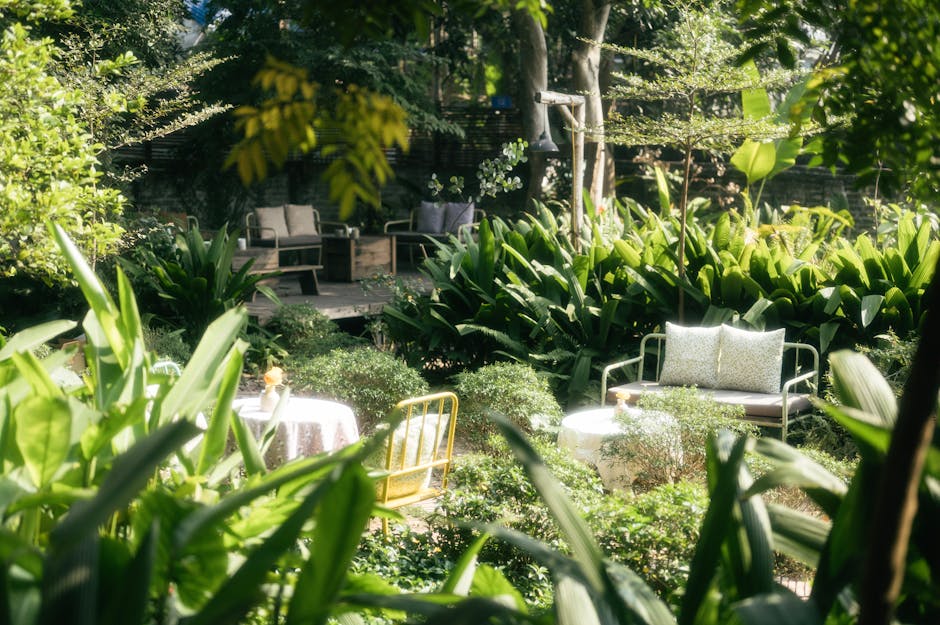
Best gardeners near Putney Bridge for small gardens
If you live near Putney Bridge, chances are your garden has to do a lot with a little. Small patios, narrow rear plots, awkward corners, shaded borders, and a bit of London noise in the background. That is exactly where the best gardeners near Putney Bridge for small gardens make a real difference. The right gardener does more than cut back a hedge or tidy a bed; they help a small space feel calmer, bigger, and easier to live with.
For many homeowners and tenants in this part of West London, the challenge is not having a garden at all - it is making one work properly. A small garden can become cluttered quickly, and if planting gets out of hand, everything starts to feel cramped. The good news? With the right local help, even a modest garden can feel polished, intentional, and surprisingly roomy. In this guide, we will look at how to choose the right gardener, what services matter most, and how to get better results without wasting time or money.
To make your search easier, this article also points you towards related pages that may help you plan the next step, including garden maintenance and services, lawn care support, and professional hedge trimming. Small gardens often need a mix of skills, not just one-off work. Truth be told, that is where many people get it wrong.
Table of Contents
- Why best gardeners near Putney Bridge for small gardens matters
- How the service works in practice
- Key benefits and practical advantages
- Who this is for and when it makes sense
- Step-by-step guidance
- Expert tips for better results
- Common mistakes to avoid
- Tools, resources and recommendations
- Law, compliance, standards, or best practice
- Options, methods, or comparison table
- Case study or real-world example
- Practical checklist
- Conclusion
- Frequently asked questions
Why Best gardeners near Putney Bridge for small gardens Matters
Small gardens are deceptively demanding. On paper, they look easier because there is less ground to cover. In reality, every square metre matters. A tired path, an overgrown shrub, or a patchy lawn can dominate the whole space. That is why finding the best gardeners near Putney Bridge for small gardens matters so much: one good decision can change how the entire garden feels.
Local knowledge matters too. Putney Bridge sits in a part of London where properties can vary a lot - mansion flats, terraced homes, mews-style spaces, and sheltered courtyards. A gardener who works in this kind of environment understands the usual constraints: limited access, neighbours close by, drainage that is not always perfect, and planting that has to cope with partial shade or reflected heat from walls and paving.
There is also a practical side. Small gardens need regular, careful maintenance rather than heavy-handed work. Someone who knows how to prune lightly, improve structure, and keep planting balanced can save you from the classic London garden problem: one season of enthusiastic growth followed by a summer of regret. A bit dramatic, maybe. But not far off.
If your garden is mostly borders, containers, or compact lawn space, it may help to look at related services such as small-scale landscaping or turfing and lawn renewal if the space needs a reset rather than routine upkeep.
How Best gardeners near Putney Bridge for small gardens Works
In practice, hiring a gardener for a small garden usually starts with a quick assessment. They look at the layout, the light levels, what is thriving, what is struggling, and how you actually use the space. Do you want a place to sit with coffee in the morning? Somewhere for children to play? A low-maintenance retreat that does not demand every weekend? Those questions shape the job.
A sensible gardener will then break the work into manageable priorities. For a small garden, that often means:
- tidying and rebalancing planting
- pruning shrubs, climbers, and small trees
- improving soil and borders
- refreshing mulch or bark where needed
- repairing or improving a lawn or paved area
- keeping growth under control with a maintenance schedule
This is not about making the garden look artificially neat for a day or two. It is about creating a system that lasts. Small spaces reveal inconsistency very quickly, so good gardeners work with structure, not just brute force.
Often, the best results come from a mix of one-off improvement work and ongoing maintenance. For example, a gardener might first reshape an overgrown border, then return every few weeks or monthly to keep it refined. If you want more background on repeat care, regular garden maintenance is a useful service to consider alongside one-off visits.
Key Benefits and Practical Advantages
The main benefit of hiring a skilled gardener for a small garden near Putney Bridge is simple: you get more out of the space you already have. But there is more to it than aesthetics. A thoughtful gardener can help with usability, plant health, and even the way the space feels when you step outside on a grey London morning.
Here are the advantages that usually matter most:
- Better use of space: Clever pruning, layout tweaks, and planting choices can make a compact garden feel less crowded.
- Less maintenance stress: A tidy, realistic planting plan reduces the amount of constant catch-up work.
- Improved plant health: Smaller gardens can become congested quickly, so good spacing and pruning help plants breathe.
- More year-round appeal: A well-planned garden should still look decent in winter, not just in July.
- Higher enjoyment: You are more likely to use a space that feels balanced, accessible, and inviting.
There is also a practical money-saving angle, though not in a flashy way. If a gardener spots a small drainage issue early, or keeps a hedge from becoming unmanageable, you may avoid a much bigger job later. Small spaces do not forgive neglect. They just don't.
For readers who are thinking beyond basic maintenance, services like tree surgery may matter if a nearby tree or oversized specimen is throwing shade, dropping debris, or crowding the garden.
Who This Is For and When It Makes Sense
This kind of gardening support is especially useful if your outdoor space is compact, awkward, or already slightly out of control. That could mean a tiny lawn, a courtyard, a walled garden, a narrow strip behind a terrace, or a planted front area that needs to look tidy without demanding too much effort.
It also makes sense for people who value a good finish but do not have the time, tools, or confidence to handle it themselves. Let's face it, many people start with good intentions and then the weather turns, the bins get in the way, and suddenly the garden has become a jungle with a chair in it.
This service is a good fit for:
- busy homeowners who want a tidy space without weekend graft
- landlords preparing a property for viewings or tenants
- older residents who want help with physically demanding tasks
- families who need a safer, clearer outdoor area
- people who want to improve a garden before selling or renting
It can also be a smart move if your current planting feels wrong for the space. Perhaps a climber has become too much, or a border is full of plants that fight one another. Sometimes the garden is not "bad" - it just needs editing. A good gardener understands the difference.
If you are looking for more than tidying, a broader soft landscaping approach may be the better fit, especially where planting structure or layout needs rethinking.
Step-by-Step Guidance
If you want the best outcome, it helps to approach the job in a sensible order. A small garden does not need chaos disguised as enthusiasm. It needs a clear plan.
- Look at the garden honestly. What is working? What feels cramped? Which areas are actually used?
- Decide the priority. Is it maintenance, restoration, planting, lawn work, or a full refresh?
- Request a walk-through or site visit. A local gardener can spot issues a phone call will miss.
- Ask how they would approach a small space. You want practical edits, not a one-size-fits-all plan.
- Agree the scope clearly. Make sure both sides understand what is included and what is not.
- Set a realistic schedule. Small gardens often benefit from recurring visits rather than rare big clearances.
- Review the first visit carefully. Check whether the space feels more open, better balanced, and easier to maintain.
A good gardener should be able to explain their choices in plain English. If they start with jargon and vague promises, pause. The best people usually sound calm, not clever. They know what is needed and why.
For related maintenance tasks, you may also want to explore grass cutting services if the lawn is part of the problem, or weed control and weeding if borders keep getting overwhelmed.
Expert Tips for Better Results
Small gardens reward restraint. That is probably the biggest expert lesson. Too many plants, too much variety, too many competing shapes - and the space starts to feel busy in the wrong way. A better approach is to edit, repeat, and give each element room to breathe.
Here are some useful principles that work well near Putney Bridge and in similar London gardens:
- Choose a few strong plants rather than many weak ones. Repetition creates calm.
- Use vertical space carefully. Climbers, trellis, and wall planting can open the ground level.
- Keep edges crisp. Small gardens look better when paths, beds, and borders are clearly defined.
- Think about sightlines. What you see from the kitchen or sitting room matters more than people expect.
- Mix evergreen structure with seasonal colour. That way the garden still looks alive in winter.
One of the simplest improvements is often the most overlooked: reducing visual clutter. A bin store, a stack of old pots, a sagging planter - all of these can make a small garden feel cramped. Remove the noise, and suddenly the planting can breathe. Funny how that works.
If the space includes hedges or screening plants, proper trimming can make a huge difference. A tailored service like shrub shaping can help maintain a neat profile without stripping away the garden's character.
Expert summary: In a small garden, the goal is not to cram in more. It is to make every line, plant, and surface earn its place. That is what separates an okay garden from one that feels quietly beautiful.
Common Mistakes to Avoid
People often make the same mistakes with compact gardens, especially when they are trying to improve things quickly. The trouble is that small spaces magnify errors. What seems minor in a large garden can be glaring near Putney Bridge.
- Overplanting: New plants can look great in the nursery and terrible two months later if they have no room to grow.
- Choosing the wrong maintenance frequency: A one-off tidy-up may not be enough for fast-growing or shaded spaces.
- Ignoring the light: A lot of London gardens are shadier than people expect, so plant choice matters.
- Focusing only on colour: Shape, texture, and evergreen structure are just as important.
- Letting the lawn dominate: In a tiny space, a patchy lawn can be more work than it is worth.
- Skipping clear communication: If you do not explain how you use the garden, the result may be technically tidy but not actually useful.
Another common issue is underestimating access. Narrow side passages, shared entrances, and limited parking can all affect how a job is planned. A local gardener who regularly works in this part of London will usually factor that in from the start.
That sort of common sense saves time, and frankly, a bit of stress too.
Tools, Resources and Recommendations
You do not need a shed full of kit to keep a small garden looking good, but the right tools make the work cleaner and faster. Professional gardeners typically bring their own equipment, while homeowners usually benefit from a small, sensible set of basics.
Useful tools for small-garden care include:
- sharp secateurs for precise pruning
- a hand fork and trowel for border work
- lightweight shears for shaping smaller hedges and shrubs
- a broom or leaf collector for patios and paths
- watering cans or a compact hose setup for dry spells
- gloves that are actually comfortable, not the floppy ones that slip off every five minutes
For people who want to keep things manageable between visits, a monthly rhythm often works well: clear debris, remove weeds, check containers, deadhead flowers, and look for anything that is beginning to crowd the space. Small tasks done regularly are far easier than a full rescue later.
If your space includes decorative planting, seasonal containers, or a small entrance bed, services such as seasonal planting and planting design can help bring structure and variety without making the garden feel busy.
Homeowners who are unsure where to start may also benefit from a broader introductory service like full gardening services, especially if several small issues need addressing at once.
Law, Compliance, Standards, or Best Practice
For most small-garden work, the main concern is not legal complexity but safe and respectful practice. Still, there are a few points worth keeping in mind. Gardeners working in London should be careful about noise, access, waste handling, and neighbour consideration, especially in closely packed streets or shared properties.
Best practice usually includes:
- treating shared access areas carefully
- keeping work tidy and removing waste responsibly
- using tools safely and storing them sensibly during the job
- checking whether any plants, trees, or features are protected or shared before major work
- agreeing scope before pruning, removal, or replacement begins
If the work involves larger trees, structural changes, or significant waste removal, it is worth discussing this clearly in advance. Some jobs are straightforward; others need a bit more planning. That is normal.
There is also an informal standard that separates decent gardeners from excellent ones: they explain what they are doing and why. They do not just "tidy up." They make sure the work suits the site, the season, and the long-term health of the garden. That, honestly, is the mark of a proper professional.
Options, Methods, or Comparison Table
Different gardens need different approaches. If yours is small, you may be deciding between one-off tidy-up work, regular maintenance, or a more design-led refresh. Here is a simple comparison to help.
| Option | Best for | Typical benefit | Watch out for |
|---|---|---|---|
| One-off tidy-up | Overgrown or neglected small gardens | Quick visual improvement | May not stay neat for long |
| Regular maintenance | Busy homeowners and compact gardens with steady growth | Consistent neatness and healthier planting | Needs clear scheduling and expectations |
| Planting refresh | Gardens that feel dull, crowded, or unbalanced | Better structure and year-round appeal | Plant choice must suit light and space |
| Soft landscaping | Small gardens needing layout changes | Improved flow and usability | Requires more planning than routine care |
In many cases, the most practical route is a mix. For example, you might start with a tidy-up, then move into monthly maintenance, then add planting improvements later once the basic structure is under control. That is often the least stressful route, to be fair.
Case Study or Real-World Example
Consider a typical small garden near Putney Bridge: a narrow rear space behind a period terrace, with a tired patch of lawn, two crowded borders, a slightly lopsided climber, and not much room to move around the table. Nothing dramatic. Just one of those gardens that always looks like it needs "doing."
A thoughtful gardener would usually start by clearing clutter and cutting back the obvious overgrowth. Next, they would assess what can stay and what should go. The climber might be trained more neatly instead of removed. One border could be thinned out to give the strongest plants room. The lawn might be reduced or reshaped if it is doing too much work for the space. Then the edges are sharpened, the soil is refreshed, and the whole garden starts to read better from the house.
The difference is not only visual. The space becomes easier to use. You can pull out a chair without brushing past foliage. Watering takes less time. The garden feels like part of the home again rather than an anxious little project hanging over you every weekend.
That kind of result is exactly why local, small-garden experience matters. A gardener who understands compact London spaces knows that the goal is not perfection. It is balance, practicality, and a garden you actually enjoy stepping into at 8am with a mug of tea in your hand.
Practical Checklist
Use this checklist before booking anyone to work on your garden:
- My garden is small, awkward, shaded, or overgrown enough to need specialist attention
- I know whether I want a one-off visit or ongoing maintenance
- I have identified the main problem: lawn, borders, hedges, planting, access, or overall layout
- I have photographs or a clear description ready to share
- I have explained how I use the space day to day
- I understand what will be included in the job
- I have asked about waste removal or disposal arrangements
- I am happy with the timing and frequency of future visits if needed
- I have checked whether any trees, climbers, or shared boundaries need extra care
- I want a result that is realistic, tidy, and easy to maintain
If you can tick most of those off, you are in a strong position. If not, no problem - that is exactly what a good initial consultation should help with.
Get a free quote today and see how much you can save.
Conclusion
Finding the best gardeners near Putney Bridge for small gardens is really about finding the right fit for a compact, lived-in London space. The best choice will understand layout, light, planting balance, and the reality of small-garden maintenance. They will make sensible decisions, explain them clearly, and help your garden feel calmer rather than busier.
Whether you need a one-off refresh, regular upkeep, or a more thoughtful redesign, the key is to choose someone who respects the limits of the space and knows how to bring out its strengths. Small gardens can be brilliant. Not because they are easy - they are not - but because with the right care, they become personal, useful, and quietly lovely.
If your garden has been bothering you for a while, start small. One good visit can change the whole feeling of the place. And that first breath of open space? It tends to feel better than you expect.
Frequently Asked Questions
What should I look for in a gardener near Putney Bridge for a small garden?
Look for someone who has real experience with compact urban gardens, clear communication, and a practical approach to maintenance. Small gardens need careful editing, not just general tidy-up work.
Is it better to book a one-off garden tidy or regular maintenance?
It depends on the condition of the garden. A one-off tidy is useful for an overgrown space, but regular maintenance usually gives better long-term results in a small garden because growth is easier to control.
How often should a small garden be maintained?
That varies by planting style, season, and how fast things grow. Many small gardens benefit from monthly or fortnightly attention during the busier months, but the right schedule depends on the site.
Can a gardener make a very small garden look bigger?
Yes, often they can. Good pruning, clear edges, vertical planting, and reducing clutter can make a compact garden feel more open and easier to use.
Do I need landscaping, or just gardening?
If the space mainly needs care and tidying, gardening may be enough. If the layout, surfaces, or planting structure need a rethink, soft landscaping may be more appropriate.
What if my garden is shady most of the day?
That is common in London gardens. A good gardener can choose plants that suit shade and adjust maintenance so the garden stays healthy rather than fighting the site.
Will a gardener remove waste after the job?
Often yes, but not always as part of the basic service. You should ask in advance so there are no surprises. Waste handling is one of those small details that matters a lot in practice.
How do I prepare for a first visit?
Take a few photos, clear access where possible, and think about what matters most to you. Do you want more light, less clutter, a tidier lawn, or better planting? A clear brief helps a lot.
Are small gardens more expensive to maintain than large ones?
Not necessarily. They often take less time overall, but they may need more careful attention because every part of the garden is visible. The work is different, not automatically more expensive.
What makes a gardener specifically good for compact urban spaces?
They understand restraint, access, shade, planting density, and regular upkeep. They also know how to make practical improvements without overcomplicating the space.
Can I improve my garden without a full redesign?
Absolutely. A lot can be achieved with pruning, thinning, weeding, edging, and a smarter maintenance plan. Sometimes a few careful changes are enough to transform how the garden feels.
How do I know if a gardener is the right fit?
If they listen carefully, ask sensible questions, and suggest realistic next steps, that is usually a good sign. The best gardeners make the space feel manageable, not stressful.